
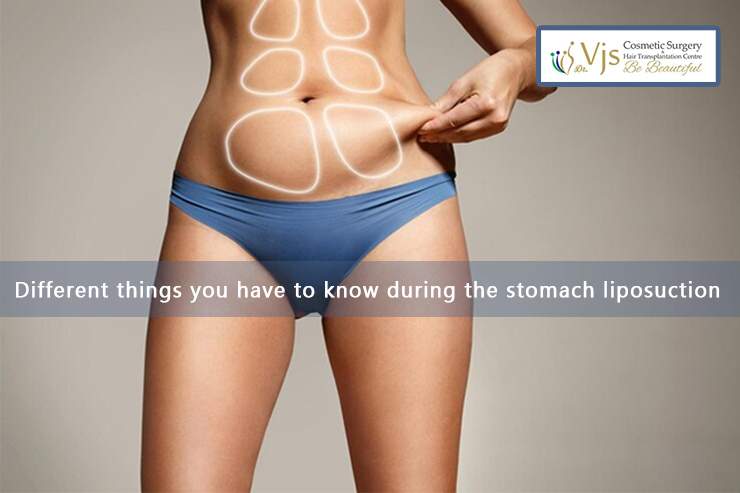

Liposuction is a cosmetic body-contouring procedure used to reduce selected areas of subcutaneous fat. It is not a treatment for obesity, does not replace nutrition or physical activity, and should not be presented as a solution for people who simply “cannot exercise.” Whether it is appropriate depends on the treatment goal, health history, skin quality, fat distribution and surgical risk.
Common reasons people ask about liposuction
Some people consider liposuction when a localized area of fat remains despite otherwise stable habits and they want to change contour rather than body weight. Others ask about it after weight change, pregnancy or because certain areas are disproportionate to the rest of the body. These are cosmetic goals, not medical necessities, and surgery should not be used to pressure someone into changing their appearance.
What liposuction cannot reliably do
- It does not cure obesity or guarantee future weight stability.
- It cannot guarantee a particular dress size, waist measurement or body shape.
- It does not reliably correct loose skin, cellulite or every contour irregularity.
- It should not be assumed to treat a medical condition unless that condition has been assessed by an appropriately qualified clinician.
Questions that matter more than a preset package
Before deciding on surgery, discussion should cover which area is being treated, whether skin contraction is likely to be adequate, the expected incision sites, anaesthesia, blood-clot and bleeding risks, recovery demands, previous surgery and relevant medical conditions. The amount of fat that can be removed safely is individualized; it should not be chosen from a fixed online quantity or price menu.
Recovery also varies. Return to desk work, exercise and normal activity depends on the extent of treatment, number of areas, anaesthesia, swelling, discomfort, wound healing and the person’s occupation. A universal two-week or four-week timetable is not appropriate for everyone.
If the concern is weight rather than contour
If the main concern is overall body weight, metabolic health or obesity-related disease, a medical weight-management assessment may be more relevant than cosmetic surgery. Liposuction removes selected fat cells from treated areas, but remaining fat cells can enlarge with future weight gain and body contour can continue to change over time.
The core liposuction guide explains treatment areas, risks and limitations in more detail. You can also review the doctor and practice information before making a decision. For an individualized assessment rather than a generic online recommendation, use the Contact Us page.