Gender-Affirming (SRS) Surgery in Visakhapatnam
WHAT IS GENDER-AFFIRMING GENITAL SURGERY?
Gender-affirming genital surgery refers to surgical procedures that may help a transgender or gender-diverse person align aspects of their body with their gender goals. For transfeminine patients, options can include orchiectomy, vulvoplasty and vaginoplasty, depending on the individual treatment plan. Gender dysphoria is not a statement that a person’s identity is a mental illness; clinical assessment focuses on informed consent, health, goals, expectations and readiness for the specific procedure.
Surgery is not required for every transgender person, and not everyone seeks the same interventions. Gender-affirming surgery is a major operation with potential benefits, limitations and risks. Possible complications vary by procedure and can include bleeding, infection, wound-healing problems, urinary complications, changes in sensation, scarring, narrowing or loss of vaginal depth after vaginoplasty, and the possible need for revision. Individual suitability and expected outcomes should be discussed with the treating team.
TRANSFEMININE SURGICAL OPTIONS
Transfeminine care can involve different combinations of medical and surgical options. Genital procedures may include orchiectomy, vulvoplasty or vaginoplasty. Other people may consider breast augmentation, facial procedures, voice care or no surgery at all. These options are separate decisions and should not be presented as a mandatory sequence.
For vaginoplasty, the surgical technique may use genital skin and, in selected techniques, other tissue to create the vulva and vaginal canal. The exact plan depends on anatomy, goals, prior procedures and the surgeon’s technique. Expected depth, sensation, urinary function, hair removal needs, dilation and possible complications should be discussed before surgery.
PLANNING BEFORE GENDER-AFFIRMING SURGERY
Planning begins with a procedure-specific consultation. The team reviews your goals, medical history, current medicines, smoking or nicotine use, previous operations, urinary and sexual function, fertility considerations and the practical support available during recovery. A physical examination helps determine which surgical options may be suitable.
Requirements are not identical for every procedure, clinic, insurer or patient. The current standards of care emphasize individualized assessment rather than a universal sequence of psychological testing, hormones, a fixed period of living in a gender role and then surgery. Any documentation requirements should be explained clearly before treatment.
PREOPERATIVE HEALTH & READINESS ASSESSMENT
Preoperative assessment is designed to support informed and safe care. It may include review of physical health, current medicines, relevant laboratory testing, smoking or nicotine use, mental-health needs when relevant, capacity for informed consent, expectations, support during recovery and the ability to follow procedure-specific aftercare. Mental-health care can be helpful when a patient wants or needs it, but transgender identity itself should not be treated as a mental illness.
INDIVIDUALISED ASSESSMENT — NOT A “REAL-LIFE TEST”
Older models of care sometimes required a person to complete a fixed period of living in a particular gender role before surgery. Current standards do not treat a universal “real-life test” as a requirement for every patient. Assessment should instead focus on informed decision-making, the person’s goals, the specific procedure, health considerations, practical recovery needs and any documentation required by the treating programme or insurer.
HORMONE THERAPY AND SURGERY
Hormone therapy can be an important part of gender-affirming care for some people, but it is not a universal prerequisite for every gender-affirming operation. Whether hormones are recommended before or after a specific procedure depends on the person’s goals, health, the operation being considered and the requirements of the treating programme. Hormones should be prescribed and monitored by an appropriately qualified clinician, with discussion of benefits, risks, fertility implications and perioperative management.
Demystifying the Types of Gender Affirming SRS Surgery
Since you have apparently understood the meaning of gender affirming surgery in terms of changing the physical and sexual characteristics of transgender individuals, it’s time for you to introduce yourself to its different types. Certainly, due to the different physical and sexual changes, it includes different types, including bottom or top surgery for both male and female transgender individuals. Along with this, other procedures such as altering the facial structure in terms of the nose, forehead and brow are also included in its types. Altogether, such procedures play a pivotal role in reducing psychological stress along with securing them in their comfort zone – their inner self.
Here are the types of gender-affirming surgery
The gender-affirming surgeries have been divided on the basis of top and bottom surgery, requiring different procedures along with different purposes.
Top surgery
- Chest masculinization surgery includes the removal of breast tissue along with reshaping the nipple position, tissue, and skin.
- Breast augmentation is preferred for trans women, providing them with saline implants in their breast areas to give them a fuller and rounder shape.
Bottom surgery
The bottom surgery for both trans women and men is quite different in terms of their surgical procedure and anatomical goals. Feminizing and masculinizing procedures are performed with different goals of removing the male anatomy and female anatomy, respectively.
Feminizing bottom surgery (For Male-to-Female surgery)
Vaginoplasty procedure
- This surgical procedure is associated with the construction of functional and non-sensitive vaginas among transgender women.
- The penis skin is used in the surgical process of turning it into a clitoris, labia and vagina.
- It is considered that the nerve sensitivity of the skin remains while constructing the new vaginal canal to help you feel at home.
- With regular dilation, penetrative intercourse can be considered after the surgical process.
Vulvoplasty procedure
- This procedure is associated with the construction of the labia majora and labia minora and does not involve the vaginal canal.
- Those transgender women who are not interested in penetrative vaginal intercourse afterwards can opt for this procedure.
- Due to no vaginal canal addition, there’s no need for regular dilation after this procedure.
Orchiectomy procedure
- This includes the removal of testicles through the surgical procedure with the aim of halting testosterone production.
- The vas deferens are cut out, carrying the sperm or semen, which is one of the crucial changes that transgender women need.
Labioplasty procedure
- The surgical procedure of reshaping the vulva, including the labia majora and labia minora, to give it a more aesthetic appearance is what is associated with this bottom surgery.
- Inner lips and the clitoral hood are reshaped through this surgical procedure, allowing transgender women to feel mentally good being in their own form.
Masculinizing bottom surgery (for Female-to-Male surgeries)
This surgical procedure aims to alter the body’s genital characteristics to align them with masculinity among transgender males. This includes different procedures that are performed on the basis of specific anatomical goals and personal functional and aesthetic goals.
Metiodioplasty
- This procedure includes the use of clitoral tissue with the main aim of constructing the neophallus.
- The main goal of this procedure remains penetrative sex; this is why erogenous sensation and erectile tissue are preserved during the procedure.
Phalloplasty
- This is associated with the construction of the penis with the use of tissue flaps, such as skin or fat.
- With the specific technique, this surgery is performed, and the specific donor sites are used on the basis of the particular anatomical goals.
Vaginectomy
- This procedure is performed based on an individual’s preference for standing urination, by combining it with other procedures.
- The surgical process includes the closing of the vaginal canal and vaginal mucosa with precision.
Which Benefits Does Gender-Affirming Surgery Bring?
Gender-affirming surgery includes the alteration of physical characteristics with the aim of aligning them with your inner self.
- Living a normal life for a transgender individual is like riding a rollercoaster, facing criticism and negative remarks.
- However, this surgery reduces such mental pressure, providing you with a calm and comforting space where you can live peacefully.
- Gender dysphoria, which is related to transgender individuals, is significantly reduced with the aim of improving your mental comfort.
- Suicidal thoughts get eliminated as you start feeling good about your altered physical changes, allowing you to live your life on your own.
- Your self-esteem gets boosted the moment you start feeling comfortable in your new physique.
Risks & Limitations About What You Must Know Before Undergoing This Surgery
- Due to anesthesia in the overall procedure, sometimes your body can react differently to it, causing bleeding or infection.
- The surgical procedures, including the genital area, can lead to urinary tract injuries or chronic pain during sexual intercourse.
- The inclusion of nerve changes during the surgical procedures includes the risk of nerve damage or loss of sensation.
- Natural biological procedures such as fertility get affected due to changes in genital areas among transgender individuals.
- The regret rates of this surgery are quite low but exist; also, psychological distress after this surgery exists, leading a few individuals to seek psychological support.
FAQ’S
Is it possible to erect after gender-affirming surgery or not?
Yes, getting an erection is quite possible after the sufferer; however, the results depend on the specific procedure you have undergone, whether it’s metoidioplasty or phalloplasty.
Is the transition period from male to female a long and tiring procedure?
Yes, transitioning from male to female is quite a long and tiring process, requiring almost 1 to 5 years to get maximum effects.
Is the recovery period painful after gender affirming surgery?
Yes, some degree of pain can occur after gender-affirming surgery during the recovery period; however, if you choose the right post-operative care methods, you will be fine.
Is there any particular age to start SRS surgery in Visakhapatnam?
Most surgeons recommend starting sex reassignment surgery in Visakhapatnam when you turn 18 or 21, depending on specific factors; you can talk to your expert regarding this.
Is the youth percentage undergoing gender affirming surgery likely to have increased?
The youth percentage undergoing gender-affirming surgery is quite low, 0.1%, which varies according to specific years.
Are medicines also provided after gender-affirming surgery?
Yes, medicines are also provided after gender-affirming surgery; however, the specific types are entirely based on an individual’s needs.
Related Posts

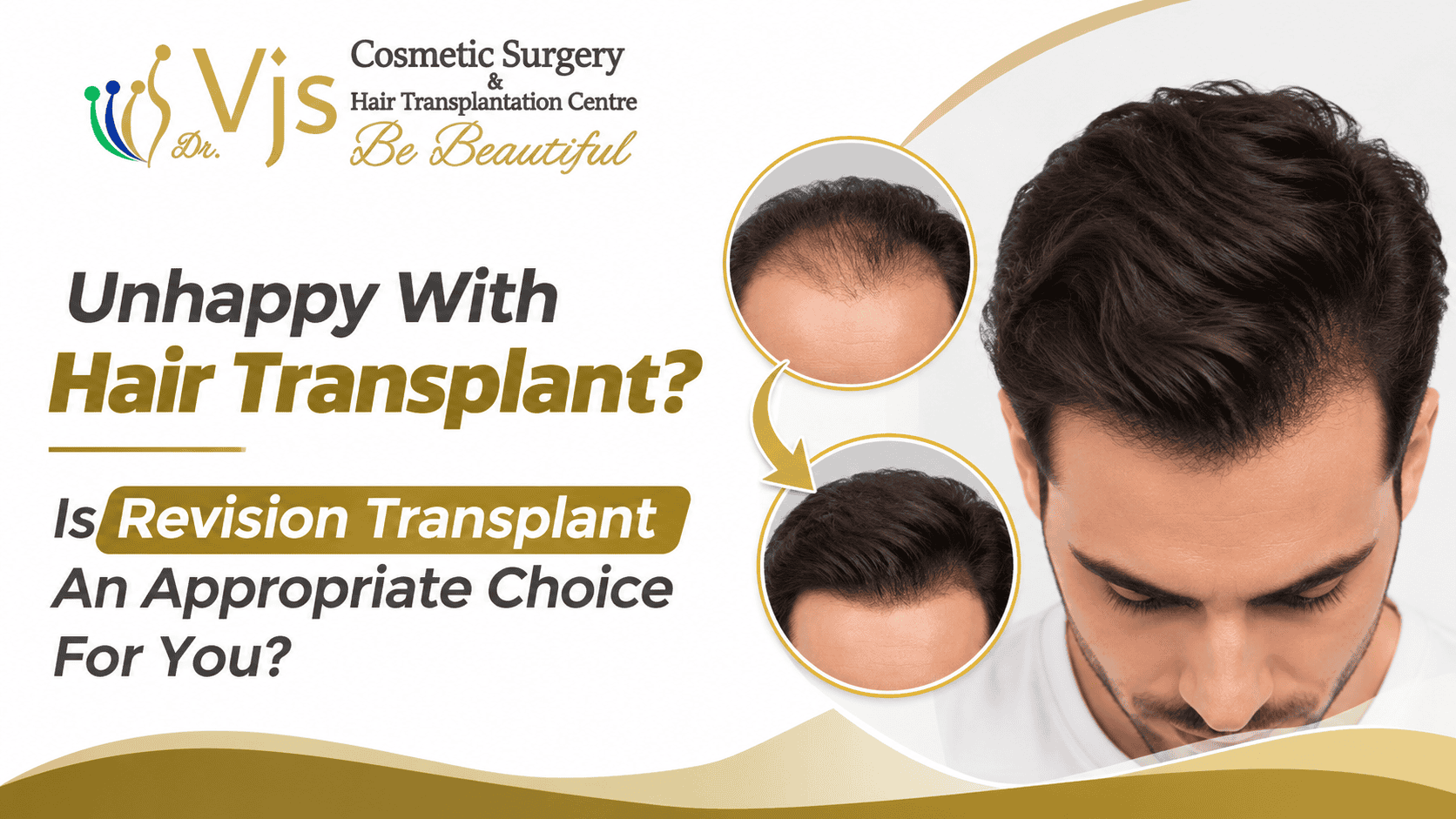
Unhappy With Hair Transplant? Is Revision Transplant An Appropriate Choice For You?
![]()
Revision surgery is one concern that is not discussed as a reality of the hair transplant industry. Clinics don’t deal with it. Mostly, patients don’t find out about it until they are researching someone else’s preventive experience or living through it themselves. But the demand for revision hair transplant planning is real, significant and the reason behind it is important to understand is useful for those who have not yet had their first hair transplant procedure. This is not about unnerving people away from hair transplantation. It gives results that genuinely improve lives. The point is that, when done well, it is the significant standard, and the gap between procedures that meet it and those that don’t is more than enough that a meaningful number of patients end up with the requirement of a hair transplant revision procedure. What creates the gap, and what patients can do before their first hair transplantation procedure to make sure they are not in position afterwards. That’s what this blog is about. What is the actual meaning of revision? Poor survival of graft: when the procedure is not planned, whatever is planned Practical summary The need for revision is not random. It has causes, but most of them are preventable. The patients who end up with revision are those who choose the clinic without any verification. But procedures like hair transplantation always need to be done at clinics where the surgeons perform the surgical work and design a natural-looking hairline. At Vj’s Cosmetic Surgery & Hair Transplantation Centre, the process of consultation covers all the factors that commonly drive the need for revision and expertise. Dr. C. Vijay Kumar performs each stage of surgery with precision, realistic expectations and quality results. Not because revision is even likely with care, but because the decisions made before the initial procedure are the ones that determine whether the revision becomes a question. FAQ’S Why are some patients not satisfied with their first hair transplant procedure? The patients are not satisfied with the first transplant because of many reasons, including low density, unnatural appearance and progressive hair loss. Is surgery always performed to solve a problem with a bad hair transplant? Not always, only in severe cases is a revision transplant required, because other non-surgical alternatives are also available to fix a bad hair transplant. How did I come to know transplantation revision is right for you? You came to know about transplantation with concerns including sufficient donor hair, real expectations, proper evaluation and sufficient time for healing. What are considered disadvantages of a revision hair transplant? The disadvantages of revision hair transplant include limited graft supply, increased scarring and sometimes a worse appearance

Does Lipoma Removal Lead to Large Scars and Recurrence?
![]()
Most individuals might not be aware of the term “lipoma”; if you are one of them as well, then you might understand this term through its specific symptoms. Feeling a soft jelly bean on your neck, shoulder, arms or thighs that is quite visible is associated with a lipoma. Now that you have got the name for those rubbery and squishy lumps over any part of your body, it is crucial to understand the right treatment as well. Usually, lipoma treatment is a game of wait and watch, as they get better without treatment; also, sometimes they don’t even cause any pain. However, if you notice rapid growth in their size, which gradually starts affecting your overall look and confidence, then surgical incision becomes a great option. But, hold on! There are a few instances of lipoma recurrence after a few days following the initial surgery, which strongly indicates an incomplete surgical procedure. Although lipoma removal scar recurrence is rare, at about 1% to 5%, it entirely depends on the incision type and the specific technique used for lipoma removal. Welcome to this blog post, where you’ll be introduced to the reasons why lipoma removal surgery includes the chances of recurrence and large scars, so continue reading. Which types of surgical techniques are used for lipoma removal? Different surgical techniques have been used for lipoma removal; the specific technique is selected based on the exact size of the lipoma, the number of lipomas you have and your personal and medical assessment. What leads to large scars and recurrence after lipoma removal surgery? First, understand what leads to lipoma regrowth:- It is important for you to understand that the lipoma recurrence rate is quite low, according to studies by the National Library of Medicine; however, its recurrence depends entirely on the specific type of surgical incision and an incomplete removal. Now, what leads to large scars:- Lipoma removal scar recurrence timeline generally starts gradually, over days and months. What are the risks associated with the lipoma removal surgery? The Bottom Line! Summing up the above-mentioned lines, you might have apparently understood the factors leading to lipoma recurrence and large scars after the lipoma removal surgery. However, this cannot be everyone’s case; this only demonstrates the possibilities after the surgery. Also, if you understand the right techniques that must be followed for lipoma removal scar recurrence aftercare, then your scars can be managed. If you have been struggling with lipoma, then schedule an appointment with your healthcare provider in order to get the right guidance and solution. You can even ask about your specific concerns regarding lipoma removal scar recurrence in Vikhakhaptanam to get precise answers. We, the experts at VJ’s Cosmetic Surgery and Hair Transplantation Centre, also provide different cosmetic surgeries, tailored to custom needs with the aim of boosting self-esteem. Meet our qualified expert, Dr. C. Vijay Kumar, who has gained knowledge in performing jar loss treatments along with cosmetic surgery. FAQs Generally, lipomas can be removed within 20 to 45 minutes; however, if the lipomas are larger in size, then it might take some more time to be removed. No, it is not necessary to choose a surgical method again if the lipoma has regrown; you can discuss it with your healthcare provider before proceeding further. Steroid injections, liposuction and other alternative treatments are still available to remove lipomas other than surgical excision. It does not directly indicate that such lipomas are cancerous; however, incomplete removal- surgery is one of the major reasons- can lead to recurrence. Still, make sure to discuss with your healthcare provider whether those regrown lipomas are cancerous or not. You can choose any topical care after discussing with your healthcare provider to apply over the scar for less visibility. Yes, the scars can be permanent; however, they usually get flattened or less visible with time.