
Hair Transplant Surgery Methods, Benefits & Cost
Hair Transplantation Surgery
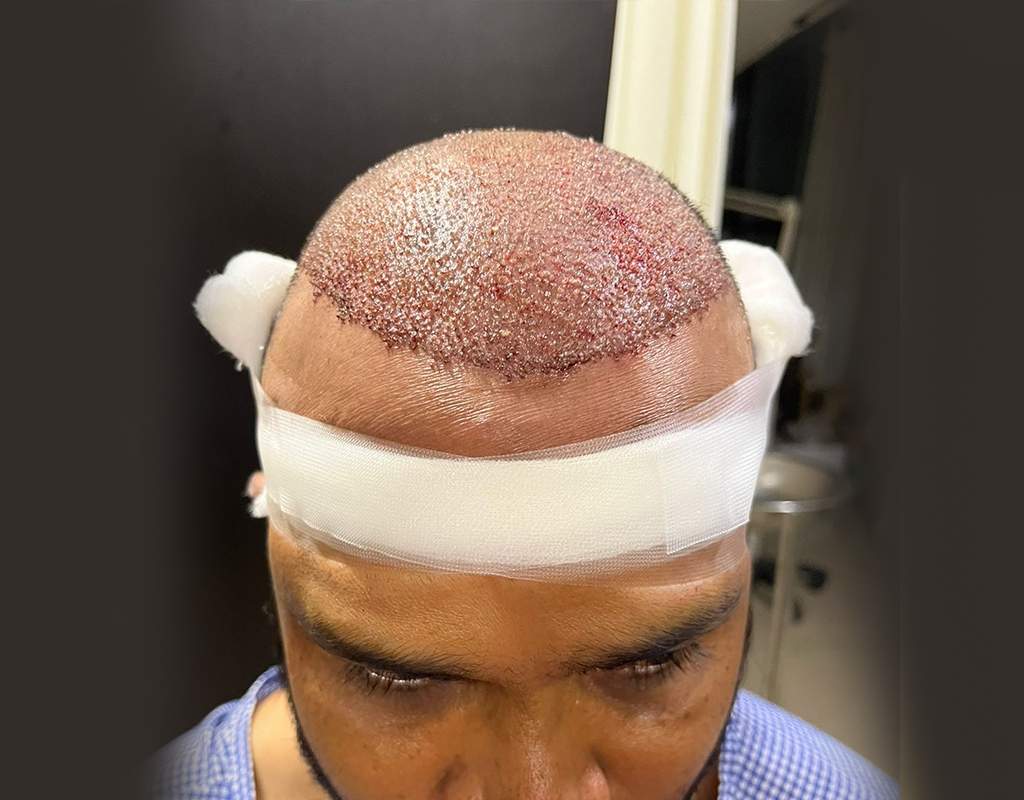
Medical science has done many achievements in the last century and one of them is hair transplantation. This surgical procedure of hair restoration started from the punch grafting and reached to the most advanced procedures, being practised today. Hair transplant in India provides various options when it comes to the restoration methods to be used regardless of the extent of hair loss.
What is Hair Transplantation Surgery?
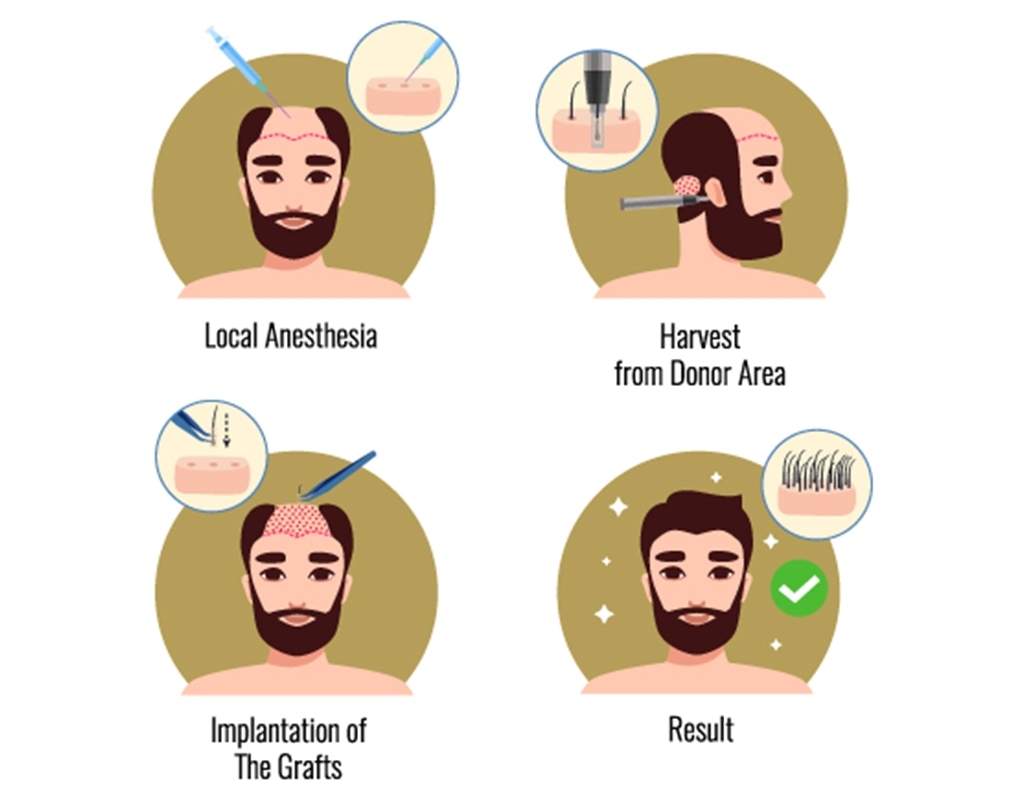
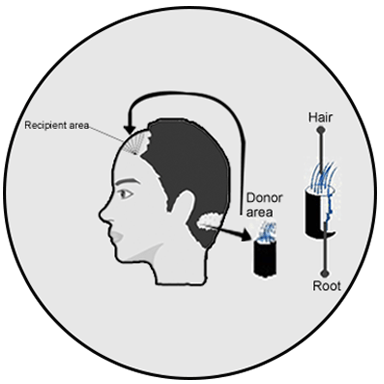
Hair transplantation is a surgical hair-restoration procedure in which follicular units are moved from a donor area to areas of thinning or baldness. It is commonly performed with local anaesthesia. Anaesthesia helps reduce pain during the procedure, but injections, pressure, pulling sensations or postoperative soreness can still occur. Suitability, graft numbers and the expected result depend on the diagnosis, donor supply, hair characteristics and treatment goals.
Hair Transplant Methods

FUE HAIR TRANSPLANT
In FUE, follicular units are removed individually from the donor area using small punches and then transplanted into the recipient area. FUE avoids a long linear donor scar, but small circular or dot-like scars can remain. The technique, punch size, graft requirement and donor-area planning should be individualised.

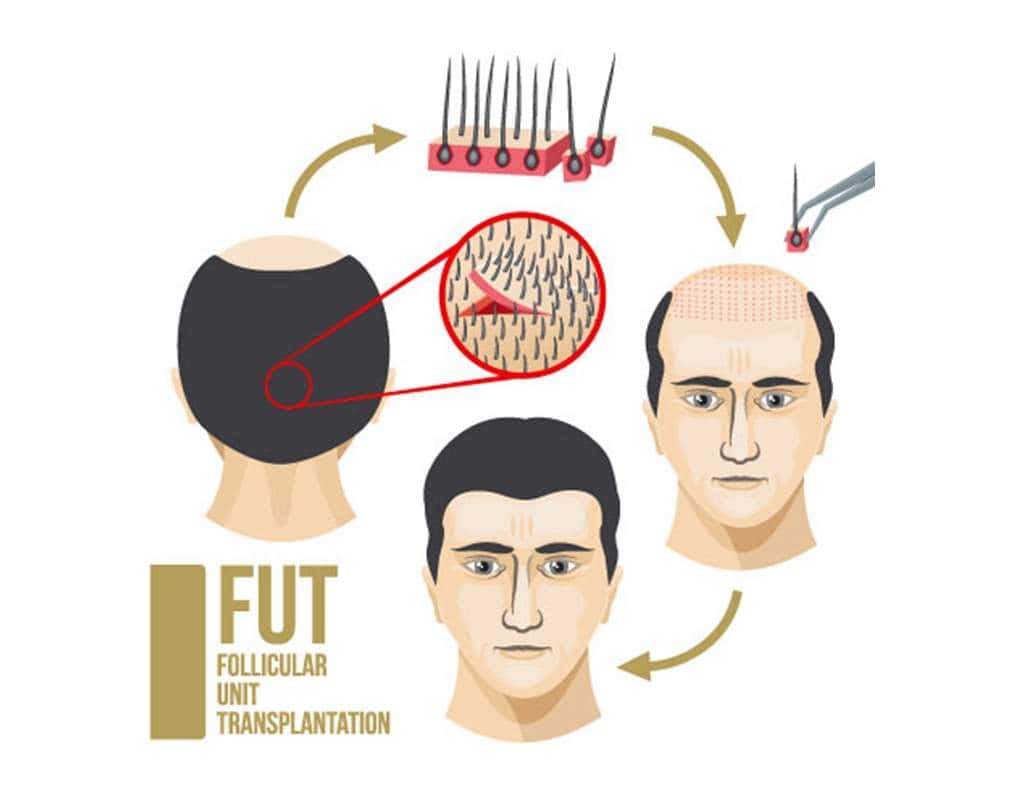
FUT HAIR TRANSPLANT
In this technique, the strip of hair follicles is taken from the permanent zone of the scalp as per determined in the pre-consultation. Then the extracted strip of hair follicles is dissected in the natural grouping of 1-4 hair to prepare them for transplantation. In this method, there is a need to culture the donor area after extraction of the strip.

BIO-FUE
Some treatment plans combine FUE with autologous platelet- or growth-factor preparations. These adjuncts are not a substitute for appropriate diagnosis, donor assessment or surgical technique, and the expected benefit can vary. Suitability and available evidence should be discussed during consultation.

GIGA SESSION
Large-session hair transplantation may be considered when a higher graft count is planned, but the appropriate number of grafts depends on donor capacity, scalp characteristics, technique, procedure duration and the patient’s goals. More grafts are not automatically better, and preserving the donor area for the future is an important part of planning.
Advantages of Hair Transplant
Hair transplantation can improve hair coverage in suitable candidates by redistributing a limited donor supply. Transplanted follicles may provide long-lasting growth, but no result can be guaranteed and native hair can continue to thin. The density, hairline design and cosmetic result depend on donor characteristics, the degree and stability of hair loss, technique and healing.
Advantages of A Hair Transplant Over The Artificial Wigs
Hair transplantation uses a patient’s own donor follicles and can be an option for suitable patterns of permanent hair loss. Unlike a wig, transplanted hair grows from the scalp, but surgery also involves recovery, scarring and the limits of the available donor area. Results vary, and ongoing thinning of non-transplanted hair may still need medical or cosmetic management.
How Hair Transplant in India At Vj’s Clinic Differ
At VJ Clinics, hair-restoration planning begins with diagnosis, donor-area assessment, hairline design and a discussion of realistic goals. The recommended technique and graft plan vary by the pattern of hair loss, donor density, hair characteristics, previous procedures and future hair-loss risk. During consultation, patients should be informed about alternatives, expected recovery, possible complications, scarring and the limits of surgery before deciding whether to proceed.
Consultation, Examination, & Planning
This step is conducted to ascertain a patient’s level of hair loss. During this step, the surgeon may recommend various hair loss assessment procedures that may include a blood test to prevent future hair loss. Once the level of hair loss is ascertained, the surgeon will plan for the procedure by estimating the required hair follicles and providing suitable instructions.
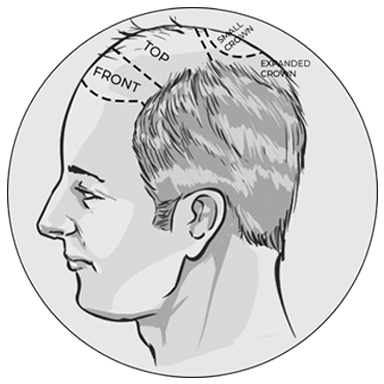
Hairline Design & Donor area demarcation
Your one-day surgery procedure will begin by designing your hairline to help proper allocation of the donor hair follicles and the recipient region. The surgeon will utilize specialized surgical instruments to trim the donor region. A marker is used for clear identification of the different scalp regions after which anaesthesia is administered.

Preparation of the recipient region
The surgeon will utilize given micropunches to create slits in the recipient region. The area is kept fresh and during slit-making, the surgeon aims at preventing trauma. The desired number, size, and depth of the slits is made.

Follicular Extraction
It is a technical step that requires a surgeon to use a flat punch, a specialized tool to excellent extract hair follicles while minimizing graft wastage. Your grafts are extracted with minor tissue to preserve them until implantation

Graft Dissection & Counting
In case a FUT approach is used, the strip is taken to the laboratory and microscopically dissected. Having dissected the hair follicles, you will have to count them with the help of a technician and they are later arranged as per implantation requirement.
Graft Implantation
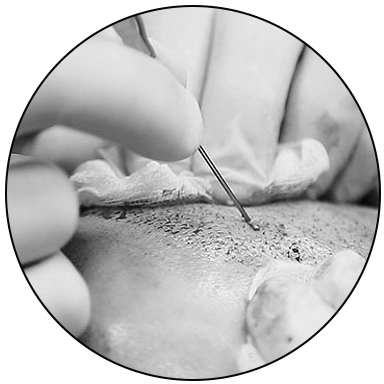
The FIRST-OUT-FIRST-IN technique is utilized with double forceps to implant the follicular units in the slits, thereby preventing mechanical trauma. As the surgeon implants the follicular units, a saline solution is continuously sprayed on the scalp to keep it hydrated and prevent follicular damage or wastage.
Video
Explore Related Hair-Restoration Resources
Before deciding on surgery, review common causes of hair loss, compare FUE hair transplant with FUT hair transplant, and understand how hair transplant cost is estimated after donor assessment. Patients looking for consultation options can also review the VJ Clinics locations and service areas or contact the clinic for current appointment information.
Why Only Us
VJ Clinics provides consultation and surgical planning for hair restoration based on the individual pattern of hair loss and donor characteristics. The team discusses the available techniques, estimated graft requirement, likely recovery, potential complications and realistic expectations. A treatment plan should be selected for clinical suitability rather than promotional claims or a one-size-fits-all approach.
Results
Related Posts
Phalloplasty: Techniques, Stages, Goals and Important Limitations

Phalloplasty is a complex reconstructive procedure that may be considered for gender-affirming care, trauma, cancer or congenital conditions. Technique, staging, urinary function, sensation and recovery vary by individual.
Vaginoplasty: Indications, Techniques, Risks and Recovery Considerations
Vaginoplasty can refer to different reconstructive or gender-affirming procedures. The reason for surgery, technique, risks and recovery vary, so assessment should be individualized.
Frequently Asked Questions (FAQs)
I have a bald scalp. Does it indicate the need for hair transplant surgery?
Generally, having a bald scalp does not always mean that you need a hair transplant surgery; however, this may indicate that you are the victim of pattern baldness. The professionals of Dr VJ’s Cosmetic Surgery & Hair Transplantation Centre can guide you regarding this in a better manner.
Do you provide hair transplant surgery for men only?
No, we don’t provide hair transplant surgery only for men, but women can also get equal benefit from the hair transplant surgery, with the aim of achieving natural hair growth. However, the hair transplant procedure in India is different for both men and women, depending on their hair characteristics and bald patterns.
Will I feel any kind of pain during hair transplant surgery?
Hair transplantation is usually performed with local anaesthesia, which reduces pain during the procedure. Patients can still notice anaesthetic injections, pressure or pulling sensations, and soreness or tightness may occur afterward. The experience varies between patients, and pain control should be discussed with the treating team.
Do you also provide post-operative care for keeping my scalp healthy?
Aftercare instructions are individualised. Patients may be advised to avoid scratching or rubbing the grafts, follow washing instructions, protect the scalp from trauma and attend scheduled follow-up. Contact the treating team promptly for worsening pain, bleeding, fever, spreading redness or other concerning symptoms.
What exactly is done during a hair transplant surgery?
Our professional hair surgeons in India make sure to consult and plan your bald area for an appropriate insertion of hair follicles. We thoroughly analyse your donor area and the area where the hair follicles would be inserted. Afterwards, the incisions are closed in a precise manner to promote better healing.
Can I get long-term benefits by undergoing a hair transplant surgery?
Transplanted follicles are generally selected from donor areas that are more resistant to pattern hair loss, so transplanted hair can be long-lasting. This does not mean every follicle will survive for life or that the surrounding native hair will stop thinning. Long-term appearance depends on diagnosis, donor supply, technique, ageing and ongoing hair-loss management.
Do you use any advanced techniques during the procedure of hair transplant surgery?
Modern hair-transplant tools can assist with graft extraction and placement, but technology alone does not determine the outcome. Results depend on diagnosis, donor quality, surgical planning, technique, graft handling, healing and future hair loss. These factors should be assessed individually rather than promising a particular long-term result.
Is undergoing hair transplant surgery a safe option?
Hair transplantation is a surgical procedure. In suitable patients it can be performed safely, but risks can include bleeding, infection, swelling, numbness, scarring, poor graft growth, an unnatural appearance or the need for revision. Individual risk varies with health, technique, extent of surgery and healing.
Are there any chances of scars after the completion of hair transplant surgery?
You might notice a few scars after the completion of hair transplant surgery; however, with the inclusion of modern technology, such scars would be less visible and minimal. Also, sometimes you can even hide your scars with your surrounding hair.
What are the factors that contribute to the positive results of hair transplant surgery?
Hair-transplant outcomes are influenced by several factors, including the cause and stability of hair loss, donor density, hair calibre and curl, the number and survival of grafts, surgical planning, technique, healing and future thinning of native hair. Cost does not determine whether a result will be successful.
Does your clinic have high success rates of hair transplant surgery?
When comparing hair-transplant clinics, consider the clinician’s qualifications and experience, whether your hair-loss diagnosis has been properly assessed, the proposed graft plan, donor-area conservation, documented consent, infection-control processes, aftercare and how complications or revisions are managed. No clinic should guarantee a particular success rate for every patient.
Are there any instructions that should be followed before coming for a hair transplant surgery?
Before surgery, tell the treating team about all prescription medicines, over-the-counter drugs, supplements, alcohol use and smoking. Do not stop aspirin, anticoagulants, antiplatelet medicines or any other prescribed medication unless the prescribing clinician and surgical team specifically advise you to do so. Pre-operative instructions should be individualised.
What is the overall cost of undergoing hair transplant surgery in India?
Hair-transplant cost varies according to the diagnosis, technique, graft requirement, complexity, facility and treatment plan. A personalised written estimate should be provided after consultation and donor-area assessment. One fixed price cannot accurately represent every case.