
BIO- FUT Hair Transplant
Bio Fut Hair Transplant in India
FUT is one method of hair transplantation in which a strip of donor scalp is removed and divided into follicular units for implantation. Some clinics pair FUT with platelet-based or other biologic adjuncts, but these add-ons should not be presented as a way to guarantee permanent growth, faster healing or a superior result.
The core determinants of transplant planning remain diagnosis, donor quality, scar tolerance, recipient-area priorities, hair calibre and the expected course of future hair loss. Any adjunctive treatment should be discussed separately, including the evidence supporting it, additional cost, possible discomfort or bruising, and whether it is likely to change the surgical plan at all.
What “Bio-FUT” Means — and Its Limits
The term “Bio-FUT” is used by some providers to describe FUT combined with a platelet-derived or other biologic adjunct. It is not a separate universally standardized transplant technique, and there is no single graft count for which such an adjunct “works best.”
If platelet-based material is used, it is typically prepared from the patient’s own blood and applied or injected according to the treating clinician’s protocol. Evidence for adjunctive platelet therapies in hair restoration is still evolving, and they should not be described as activating stem cells in a way that guarantees faster healing or better graft survival. Patients should ask what preparation is being used, why it is being recommended, and what evidence supports the claimed benefit.

How a Platelet-Based Preparation Is Made
If a platelet-based preparation is used as an adjunct, a small blood sample is collected and processed to concentrate platelets according to the clinician’s protocol. The exact preparation method, concentration and way it is applied can vary, so it should not be described as one standardised “growth-factor” product.
Such preparations do not replace the fundamentals of FUT surgery and should not be promised to create new donor follicles, prevent all graft loss, accelerate healing in every patient or guarantee improved density. Patients should be told what is being prepared, why it is being offered, whether it is optional, what additional discomfort or cost it may involve and what evidence supports its use in their case.
Surgical Process for Bio- Fut in Vizag, Andhra Pradesh
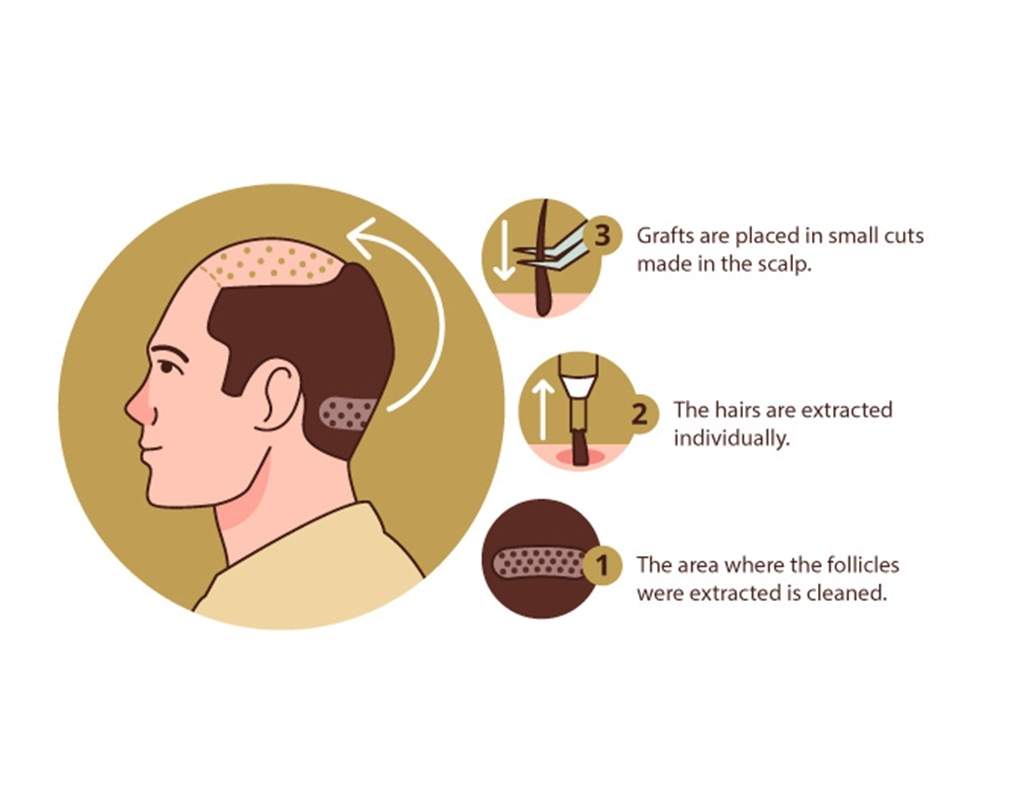
FUT is generally performed with local anaesthesia, but patients can still experience pressure, pulling, injection discomfort and postoperative soreness. A strip of hair-bearing scalp is removed from the donor area, the wound is closed, and the tissue is dissected into follicular units for implantation into planned recipient sites.
The number of grafts that can be used safely depends on donor density, scalp laxity, strip dimensions, follicle quality and the recipient-area plan. A platelet-based adjunct, when chosen, is separate from the harvesting and implantation steps and should not be used to imply a painless procedure or guaranteed graft survival. Potential risks include bleeding, infection, scarring, altered sensation, poor growth, asymmetry and the possibility of further procedures.
Recovery, Wound Care and When to Seek Review
Recovery after FUT depends on the size of the strip harvest, closure method, scalp characteristics and the individual healing response. Patients should receive written instructions for donor-wound care, washing, sleeping, activity, and any planned review for suture or staple removal. There is no single recovery timetable that applies to everyone.
Swelling, crusting, temporary shedding and donor-area tightness can occur. Contact the treating team promptly for increasing pain, persistent bleeding, spreading redness, discharge, fever, wound separation or other symptoms that are worsening rather than settling.
Visible growth develops gradually and density varies with donor supply, graft survival, hair calibre, recipient-area size and ongoing non-transplanted hair loss. Platelet-based adjuncts do not remove the need for realistic expectations or follow-up. Patients comparing options can review the main hair transplant guide, learn more about the treating doctor, or contact VJ Clinics to discuss an individualized plan.