
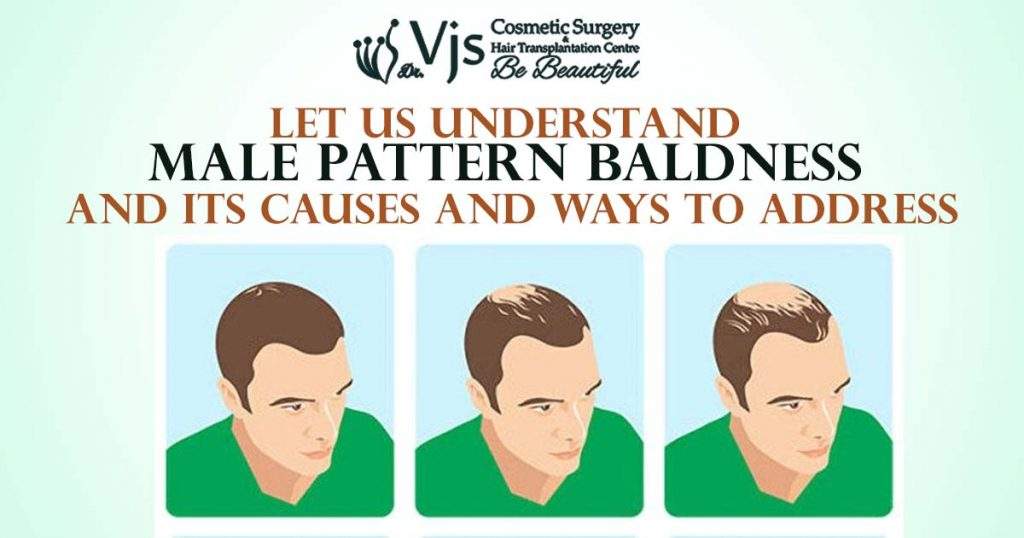

Pattern hair loss does not look identical in everyone. Men may notice recession at the temples or thinning at the crown, while women more often develop widening of the central part or diffuse thinning over the top of the scalp. These patterns can overlap, and diagnosis should not be based on appearance alone.
What causes pattern hair loss?
Androgenetic alopecia is influenced by genetics and follicular sensitivity to hormones. It usually develops gradually, but the age of onset and rate of progression vary. In women, hormonal changes and other medical factors may also contribute to thinning, so a broader assessment is often useful.
Other causes can resemble pattern loss
Telogen effluvium, thyroid disorders, nutritional deficiencies, traction, inflammatory scalp conditions and some medicines can produce thinning that may be mistaken for androgenetic alopecia. Patchy loss, scalp pain, scaling, scarring or sudden shedding should prompt evaluation for a different cause.
Non-surgical management comes first for many people
Treatment depends on diagnosis, severity, progression and medical history. Some patients may be offered medical treatment or correction of an underlying cause. Wigs, hair systems and styling choices can also provide cosmetic coverage without surgery, but they do not treat the biological cause of follicular miniaturisation.
When hair transplantation may be considered
Hair transplantation relocates donor follicles; it does not stop future loss or create unlimited density. In men with a stable pattern and a suitable donor area, surgery may be considered after assessment. In women, diffuse donor thinning can limit candidacy, so donor density and scalp diagnosis are especially important.
People exploring surgery can review the hair transplant overview and the dedicated FUE and FUT guides to understand different harvesting approaches and their trade-offs.
What to discuss during an assessment
A useful consultation should cover the likely diagnosis, donor reserve, future progression, existing medical conditions, medicines, expected coverage, scarring and recovery. For a broader explanation of common causes of thinning, see the hair loss guide. To discuss an individual concern, use the contact page.