
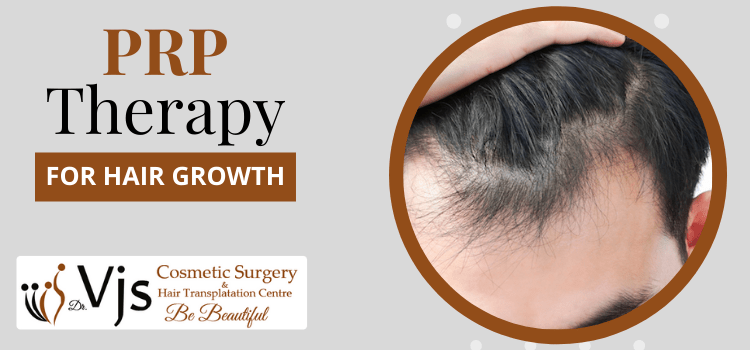

Platelet-rich plasma (PRP) is one of several options that may be discussed for some people with hair thinning. It is not a universal treatment for every cause of hair loss, so the first step is to identify the pattern and likely cause of shedding before deciding whether PRP is appropriate.
How PRP is used for hair loss
PRP is prepared from a small sample of the patient’s own blood. The sample is processed to concentrate platelets, and the resulting preparation is injected into selected areas of the scalp. Treatment protocols vary, and PRP should not be presented as a guaranteed way to regrow lost hair or restore full density.
Who may be considered for PRP?
Suitability depends on the diagnosis, extent and duration of hair loss, scalp health, medical history and other treatments being used. People with sudden shedding, patchy hair loss, scalp inflammation or an uncertain diagnosis may need additional evaluation before a treatment plan is chosen.
PRP may sometimes be discussed alongside other approaches for hair loss. A hair transplant is a different option that redistributes suitable donor follicles and is not interchangeable with PRP.
How many sessions are needed?
There is no single schedule that is right for everyone. The number and spacing of sessions should be individualized, and response can vary. Maintenance treatment may also be discussed in some cases. Patients should ask what outcome is realistic for their diagnosis rather than relying on a fixed number of sessions.
Safety and treatment planning
PRP involves injections and can cause temporary tenderness, swelling, bruising or discomfort. Before treatment, tell the clinician about medical conditions, allergies and all medicines or supplements being taken. Do not stop or change prescribed medication unless the prescribing clinician and treating team advise that it is appropriate.
Setting realistic expectations
Hair density, donor availability, ongoing progression of hair loss and individual response all affect what can be achieved. PRP should be considered only after a proper assessment and an explanation of alternatives, limitations, likely follow-up and costs.
If you are considering treatment for persistent thinning, a consultation can help determine whether PRP, medical management, observation or a surgical option is appropriate for your situation.