
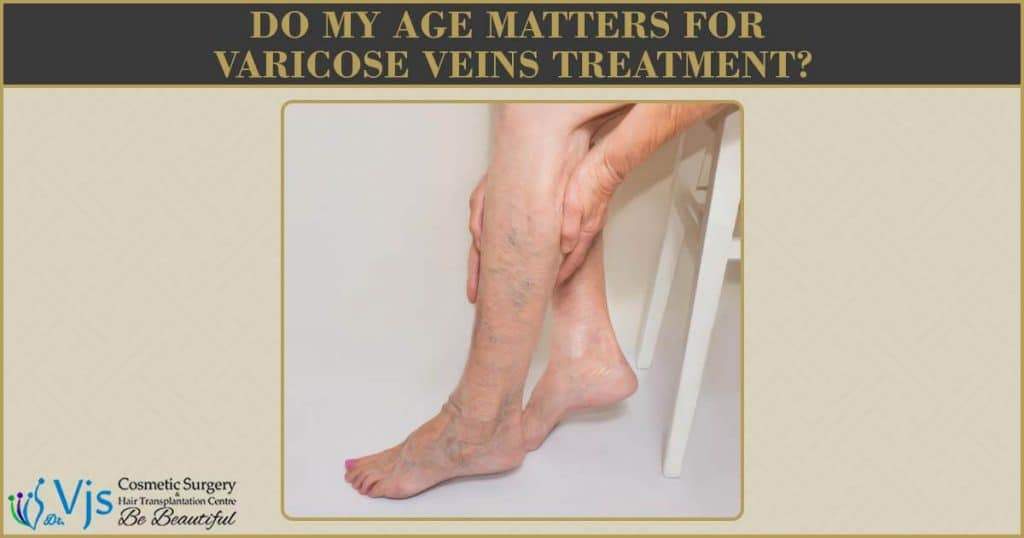

When should visible leg veins be evaluated?
Varicose veins are enlarged superficial veins that may become more noticeable with standing. Some people mainly notice their appearance, while others develop aching, heaviness, itching, ankle swelling, skin changes or bleeding. Symptoms can overlap with other leg problems, so treatment should begin with an appropriate clinical assessment rather than assuming every visible vein needs a procedure.
This article is intended for people in and around Anakapalle who are researching care. It does not establish a separate VJ Clinics branch in Anakapalle. Current consultation locations and available services should be confirmed through the contact page.
Does age decide whether treatment is possible?
Age alone does not determine suitability. A clinician may consider symptoms, mobility, circulation, medical conditions, medicines, previous clots, pregnancy status and the pattern of venous reflux before discussing treatment. An older adult may be suitable for treatment, while a younger person may sometimes be better managed conservatively first.
Symptoms that deserve medical review
- Persistent aching, heaviness or throbbing in the legs
- Swelling around the ankle or lower leg
- Itching, eczema-like skin changes or darkening around the ankle
- A vein that becomes hard, tender, red or suddenly more painful
- Slow-healing skin damage or an ulcer
- Bleeding from a superficial varicose vein
Sudden one-sided swelling, chest pain or breathlessness requires urgent medical assessment because these symptoms can indicate a different and potentially serious problem.
What can help before a procedure is considered?
Regular walking, avoiding prolonged immobility and leg elevation may reduce symptoms for some people. Compression stockings can be useful in selected cases, but the correct type and strength should be chosen with clinical guidance, particularly if there is any concern about arterial circulation. Lifestyle measures may improve comfort, but they do not reliably remove established varicose veins.
How are treatment options selected?
Management depends on the veins involved and the findings of examination and, when indicated, duplex ultrasound. Options can include conservative care, sclerotherapy, endovenous thermal or non-thermal procedures, phlebectomy, or surgery in selected cases. No single technique is suitable for every patient, and recurrence or new varicose veins can occur over time.
For a broader overview of assessment, treatment choices and recovery considerations, see the main varicose-veins information page. A consultation should focus on symptoms, venous anatomy, expected benefit, possible complications and follow-up rather than promises of a guaranteed or permanent result.